Healthcare Diagnostics using Deep Learning Techniques
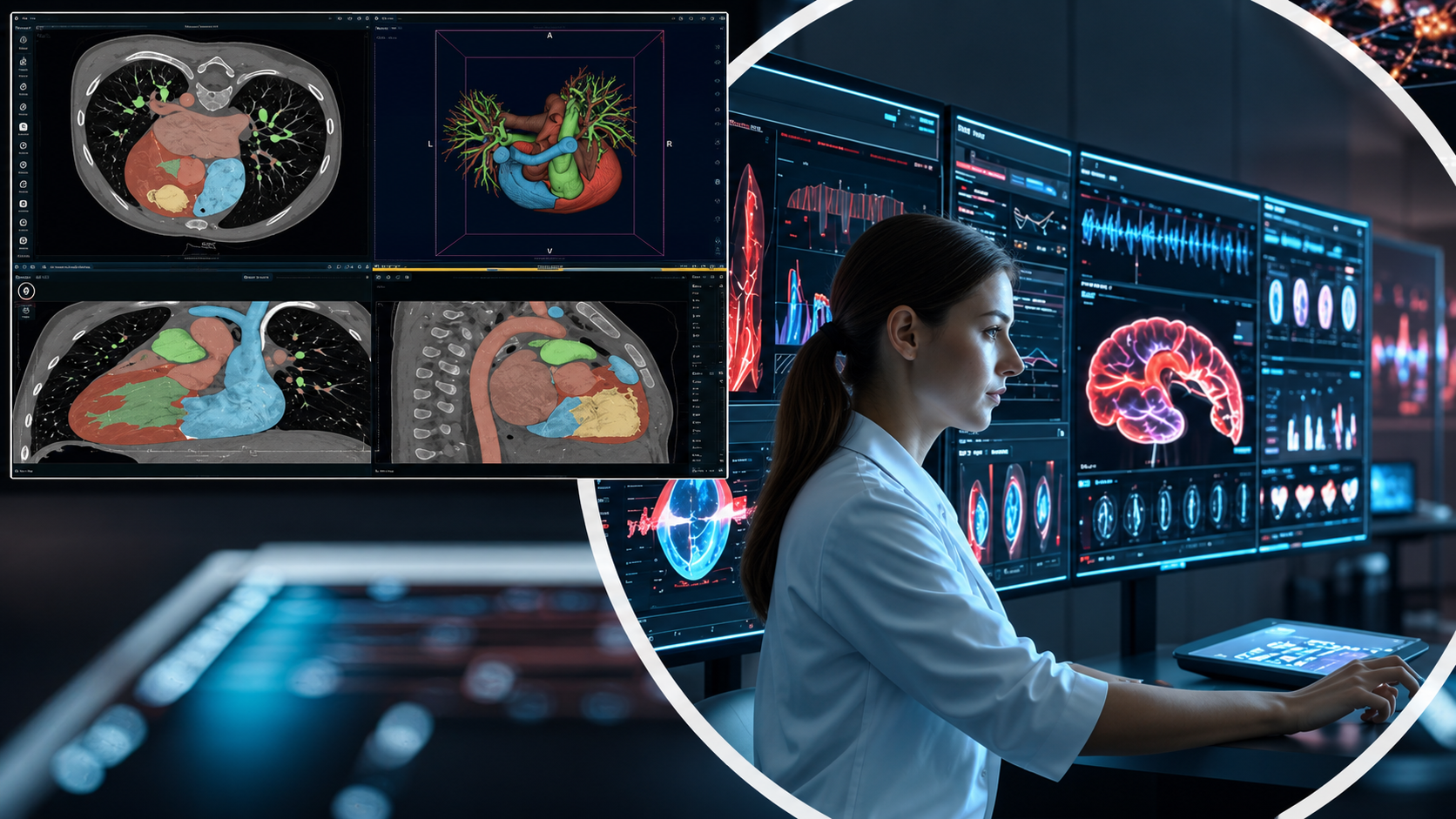
AIAR is collaborating with Amrita University in applying advanced deep learning techniques to improve clinical diagnostics:
- Pancreatic Cancer Diagnostics: Developing a computer-aided system to support early detection and treatment planning, helping clinicians identify subtle patterns that may be missed by traditional methods.
- VR-Enabled Heart Segmentation: Creating an immersive virtual reality system that allows surgeons to explore patient- specific heart structures, improving preparation for complex cardiac procedures.
These tools aim to enhance accuracy, reduce risk, and expand access to high-quality care.
AI‑Driven Detection of Dyslexia and Dysgraphia
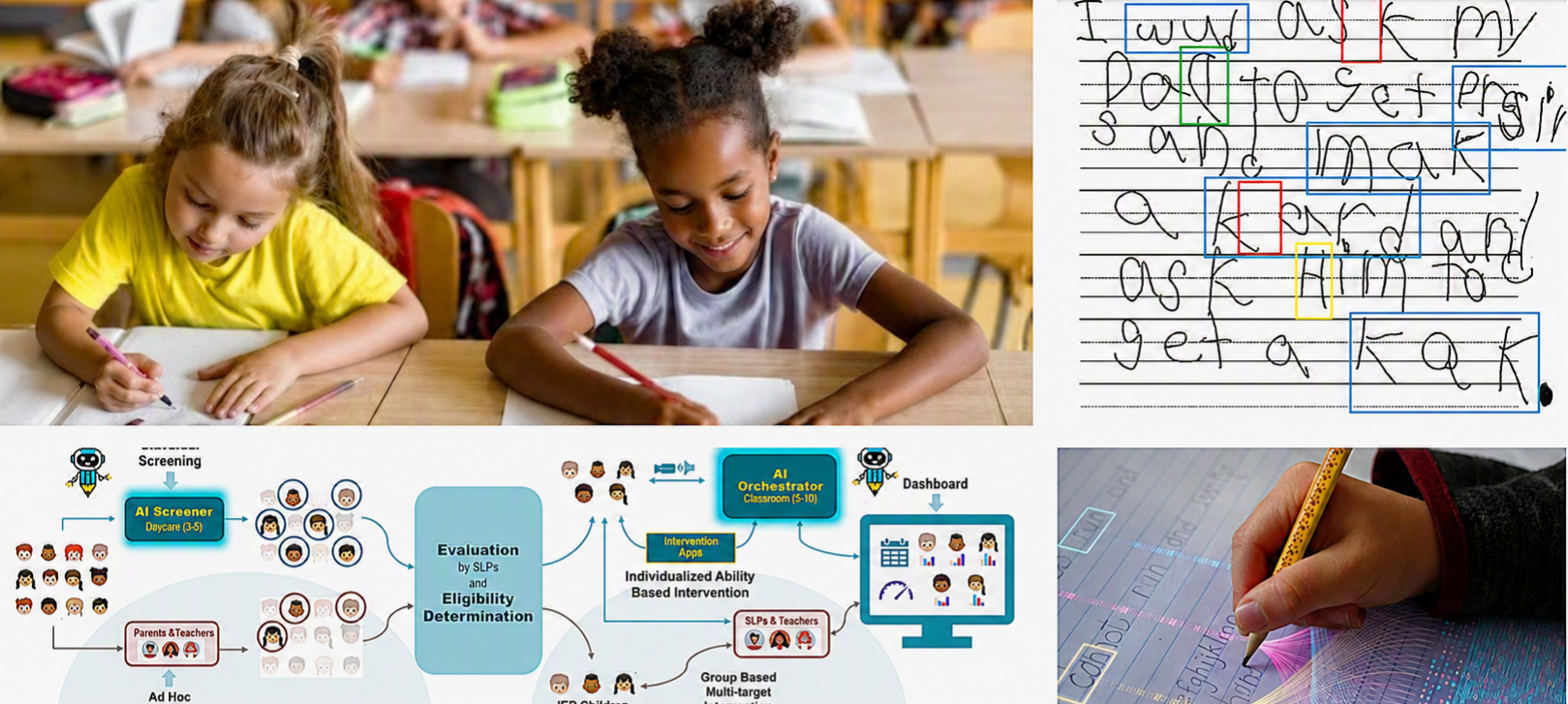
Automated recognition of children’s handwriting is difficult owing to spelling errors, mirrored characters, inconsistent letter formation, and atypical spatial organization. In applications such as dyslexia and dysgraphia screening, these irregularities are not noise but carry meaningful information about underlying cognitive and motor processes.
Most existing handwriting recognition systems and multimodal large language models (MLLMs) are trained primarily on adult handwriting, where such deviations are rare. This creates a critical performance gap when applied to educational or clinical settings involving children.
In partnership with the National AI Institute for Exceptional Education at the University at Buffalo, we are developing robust techniques that address these challenges.
Publications
Conservation of Ayurvedic Herbs through Micropropagation
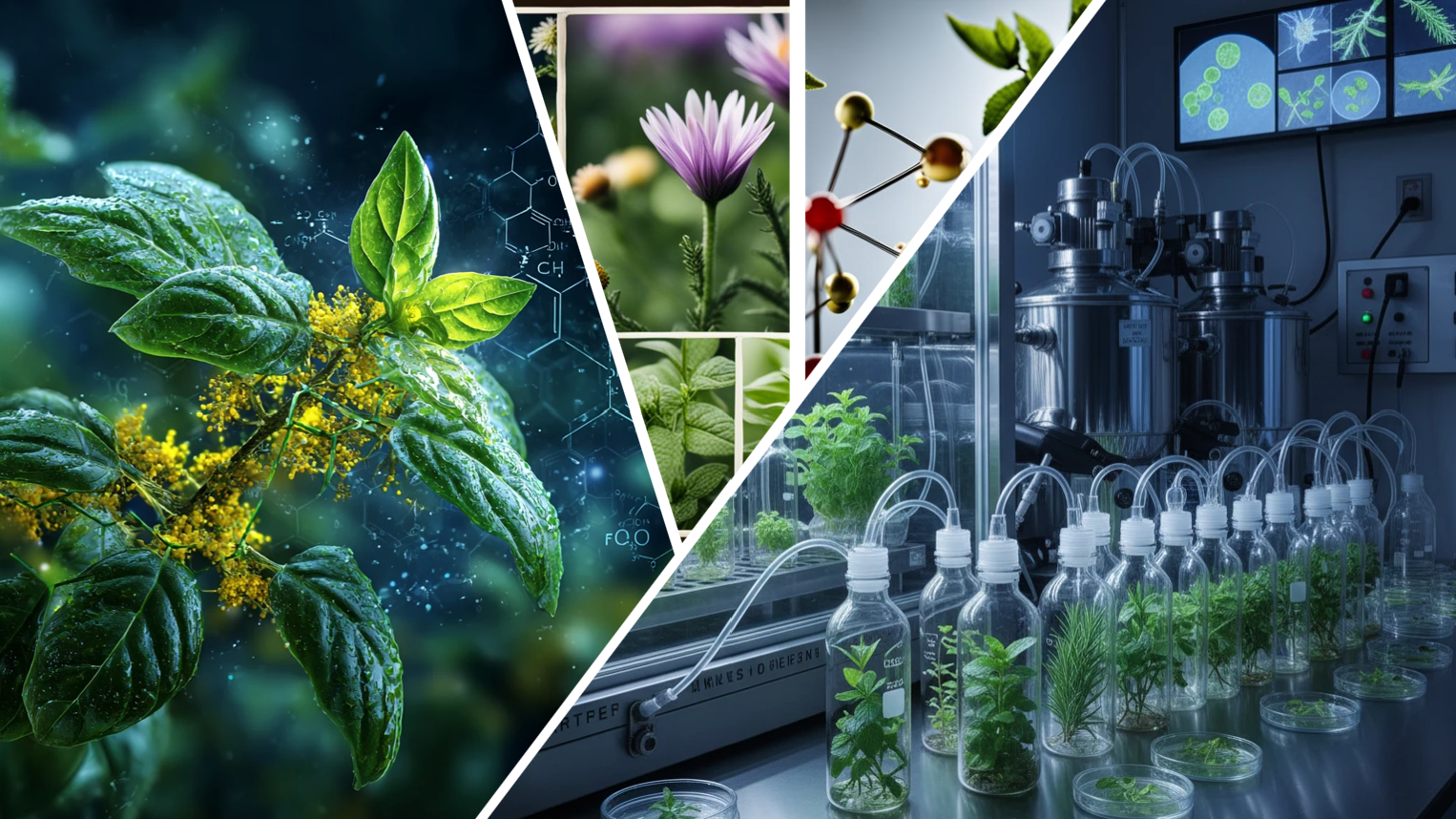
Many Ayurvedic plants, such as Brahmi (Bacopa monnieri), valued for their phytopharmaceutical properties are increasingly threatened by habitat loss, overharvesting, and poor seed viability.
This project investigates how micropropagation can address these challenges by enabling:
- Rapid clonal multiplication through controlled in-vitro culture systems that reduce pressure on wild populations.
- Standardized micropropagation protocols using leaf explants, axillary buds, or nodal segments to achieve reliable mass propagation.
- Somatic embryogenesis and shoot-induction workflows that support large scale, genetically uniform cultivation.
By integrating micropropagation techniques with conservation-focused biological research, the project aims to strengthen sustainable supply chains for medicinal plants, enhance ex situ preservation efforts, and contribute to long-term biodiversity protection.
Agentic AI for Ayurveda Analytics

This project aims to build an AI-powered research assistant for Ayurveda medicine analytics. The system will:
- Enable scientists to query in natural language.
- Autonomously perform complex statistical analyses.
- Interpret results and present them in clear, accessible formats.
- Accelerate evidence-based discovery in Ayurveda.
By leveraging AI to formulate statistical results, generate visualizations, and infer clinical findings within an Ayurvedic context, this system empowers scientists to focus on innovation rather than analytics.